
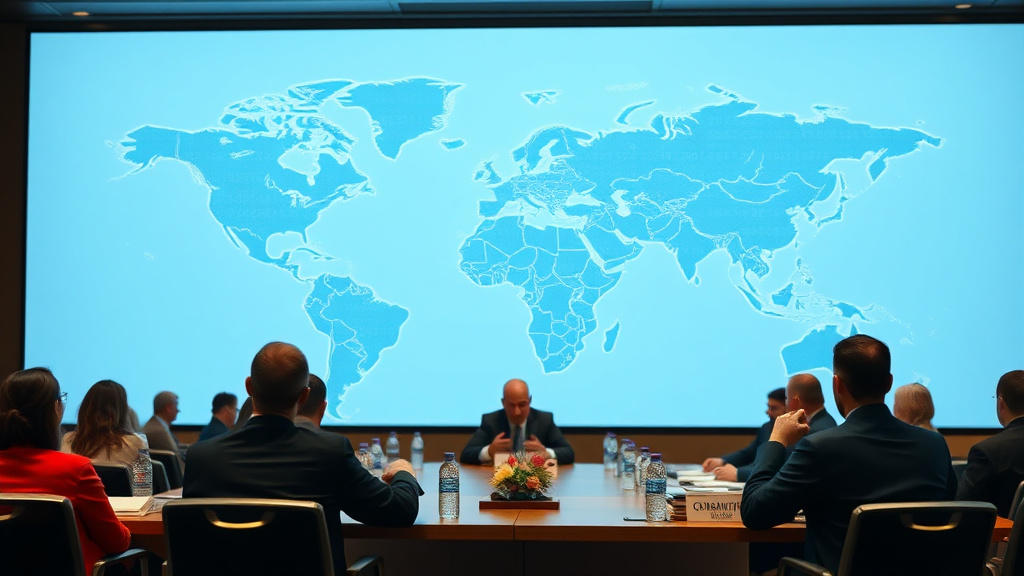
After months of intensive negotiations involving nations worldwide, international representatives have reached a major milestone in developing a far-reaching global trading pact. This landmark development stands to revolutionize international trade by reducing tariff barriers, harmonizing standards, and promoting mutual prosperity among participating nations. As international conflicts risk dividing worldwide commerce, this landmark moment reflects an uncommon agreement. Discover how this agreement tackles disputed matters, which countries led the charge, and what effects it will have for firms and buyers globally.
Major Advances in Commercial Discussions
The negotiating teams have successfully resolved several disputed matters that previously stalled progress, including agricultural subsidies, intellectual property protections, and e-commerce standards. Representatives from more than 150 countries gathered in Geneva the previous week to establish agreements addressing these essential areas. The agreement emerged after intensive bilateral discussions and calculated concessions from major economic powers, reflecting unprecedented dedication to international collaboration. This joint effort has renewed hope among member countries and observers who anticipated further deadlock.
Major agreements were struck regarding schedules for reducing tariffs, with advanced economies accepting accelerated timelines for market entry in developing nations. Standards for labor and the environment have been enhanced through binding commitments, responding to concerns from non-governmental organizations. The accord includes novel conflict resolution procedures intended to prevent future trade conflicts and maintain enforcement. These advances show a middle-ground strategy that protects vulnerable industries while promoting fair competition and sustainable economic growth across all participant nations.
Framework and Strategic Objectives
The multi-country pact creates a detailed system meant to facilitate seamless trade across member nations while dealing with contemporary economic challenges. Key aims include lowering trade tariffs by an approximately 15-20%, harmonizing technical standards, and establishing clear conflict resolution processes. The agreement prioritizes sustainable development, digital trade improvements, and distribution network strength. By creating defined procedures and enforceable commitments, negotiators sought to ensure stability in global markets while protecting vulnerable industries through gradual implementation timelines and transition support mechanisms.
Economic Effects Evaluation
Economic modeling points to the agreement could boost global GDP by 2-3% over the next decade, with emerging economies potentially experiencing stronger economic growth. Initial assessments indicate substantial growth potential in tech, farming, and industrial production sectors. Trade volume projections project a 25% increase in international trade flows among participating nations. However, some established sectors face adjustment pressures requiring employee skill development and infrastructure modernization investments to stay viable in the open market environment.
Sectoral impacts vary considerably across economies and regions. Export-dependent nations expect significant revenue increases, while import-competing industries express concerns about competitive pressure. Financial services, telecommunications, and renewable energy sectors stand out as key beneficiaries. Consumer goods prices are projected to fall due to tariff reductions and increased competition. Regional disparities in implementation capacity necessitate tailored development aid and technical support programs to promote equitable distribution of benefits across participating nations.
Stakeholder Perspectives and Concerns
Labor unions express worry regarding potential job losses in agricultural and manufacturing sectors, demanding robust transition assistance programs and compensation protection mechanisms. Environmental advocates support sustainability provisions but seek stronger enforcement mechanisms and environmental commitments. Agricultural lobbies express mixed reactions—large exporters praise better market opportunities while small farmers fear competition from overseas producers with subsidies. Pharmaceutical and technology companies back IP protections, whereas developing nations advocate for low-cost medications and knowledge-sharing provisions supporting their populations.
Smaller and midsize enterprises voice worries about regulatory expenses and intricate compliance requirements, seeking capacity-building support and simplified procedures. Advocacy consumer groups embrace price reduction prospects but demand safety and quality standard maintenance. Developing nations emphasize technology transfer provisions and financial assistance for infrastructure development. Labor unions internationally call for labor standard enforcement preventing wage competition races. Government officials weigh domestic political pressures against global obligations, seeking implementation flexibility while maintaining agreement credibility and long-term partnership viability.
Upcoming Implications and Next Steps
The international agreement sets up a strong framework for continuous economic cooperation, with member countries committing to gradual adoption over the next five years. This schedule allows enterprises adequate preparation while maintaining compliance with fresh regulations. Economists predict significant GDP growth across participating countries, with notable gains for small and medium-sized enterprises obtaining expanded market access. The agreement also introduces conflict resolution procedures to resolve anticipated disagreements, strengthening the foundation for enduring market stability and predictability in international commerce.
Looking ahead, negotiators have arranged periodic review sessions to oversee progress on implementation and tackle new obstacles. Further negotiations will focus on broadening the agreement’s reach to include digital trade and sustainability measures. Countries are also exploring supplementary bilateral agreements to enhance targeted trade connections. This collaborative approach signals a dedication to ongoing enhancement, guaranteeing the framework adapts with international economic developments and technological innovation while maintaining the understanding secured through these essential discussions.
