
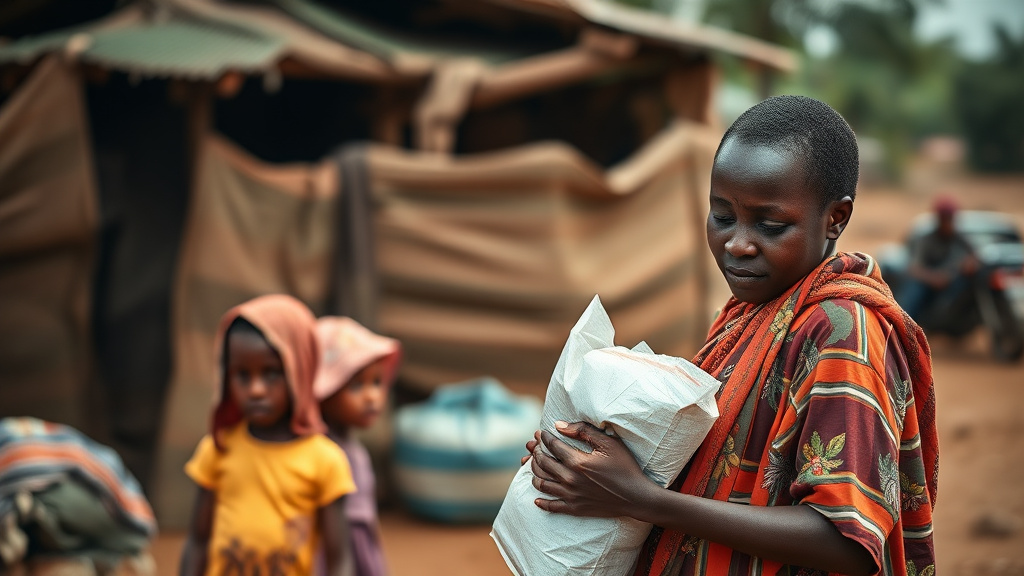
Sub-Saharan Africa grapples with an escalating humanitarian emergency as conflict, drought, and economic collapse converge to create unprecedented suffering. Millions experience acute hunger, displacement, and lack of fundamental health services, pushing fragile health systems to the brink of collapse. This article analyzes the escalating emergency across the region, explores its root causes, and highlights why immediate international aid and coordinated intervention are vital to preventing further harm and saving countless lives.
Current State of the Emergency
Sub-Saharan Africa is experiencing an extraordinary humanitarian catastrophe that demands swift international attention. Over 280 million people in the area confront critical food insecurity, with nutritional deficiencies hitting alarming levels among children and vulnerable populations. The intersection of armed conflicts, prolonged dry spells, and economic instability has triggered a catastrophic situation, taxing already strained healthcare and social support systems. Displacement has reached record numbers, with millions fleeing their homes searching for safety and essential survival needs.
The humanitarian toll goes far beyond displacement and hunger, influencing nearly every aspect of human welfare. Infectious disease spread, such as cholera and measles, transmit swiftly through densely populated camps missing sufficient sanitation and access to clean water. psychological health emergencies are escalating as populations experience prolonged trauma and loss. Healthcare facilities struggle with critical shortages of medical supplies, trained personnel, and working infrastructure, requiring difficult triage decisions that cause many people without necessary medical care and support services.
Economic collapse has devastated livelihoods throughout the area, pushing families deeper into poverty and desperation. Currency devaluation, inflation, and fractured supply networks make basic necessities inaccessible to ordinary citizens. Farm output has collapsed due to conflict and climate shocks, destroying conventional income streams for farming communities. Without urgent action and ongoing global assistance, forecasts show the crisis will worsen significantly, possibly impacting hundreds of millions additional people across Sub-Saharan Africa.
Root Causes and Associated Elements
The emergency situation in Sub-Saharan Africa stems from complex structural issues that have accumulated over many years. Extended droughts and climate shifts have severely damaged farm output, rendering farming populations unable to sustain themselves. Simultaneously, ongoing conflicts and political unrest have forced millions from their homes, interrupting food distribution networks and overwhelming available resources. Economic mismanagement and limited infrastructure further exacerbate these weaknesses, hindering timely response and recovery efforts across the region.
Poor governance structures and minimal international investment have created conditions where populations remain highly susceptible to crisis triggers. Healthcare systems lack proper financial support and trained workers, making epidemics especially devastating in conflict zones. Additionally, persistent poverty sustain malnutrition and stop communities from strengthening capacity against environmental shocks. These compounding factors create a perfect storm where susceptible groups face multiple dangers to their survival, requiring immediate and extensive humanitarian intervention to end the cycle of desperation.
International Response and Aid Initiatives
The international community has mobilized significant resources to tackle the humanitarian emergency in Sub-Saharan Africa, acknowledging the scale and urgency of the crisis. Global institutions, government donors, and non-governmental organizations have initiated coordinated aid initiatives to deliver emergency relief, including food assistance, medical supplies, and shelter. However, financial shortfalls remain significant, with many appeals only partially met. Sustained commitment and greater funding support from developed nations are essential to scale up operations and serve vulnerable populations across impacted areas.
- United Nations agencies providing urgent food and medical assistance
- World Health Organization backing prevention and disease control programs
- Red Cross providing humanitarian aid and emergency relief
- Aid from developed countries financing rebuilding projects
- NGOs creating mobile medical clinics and water facilities
Despite these initiatives, supply chain obstacles and safety issues persist in hindering aid distribution in war-torn regions. Supply chain disruptions, inadequate facilities, and constrained accessibility prevent the provision of humanitarian assistance to the most disadvantaged communities. Collaboration among various agencies is essential to prevent redundancy and enhance effectiveness. Strengthened diplomatic efforts, support for local capability development, and comprehensive development plans are necessary to resolve fundamental problems and develop adaptive capacity in impacted regions for long-lasting restoration.
