
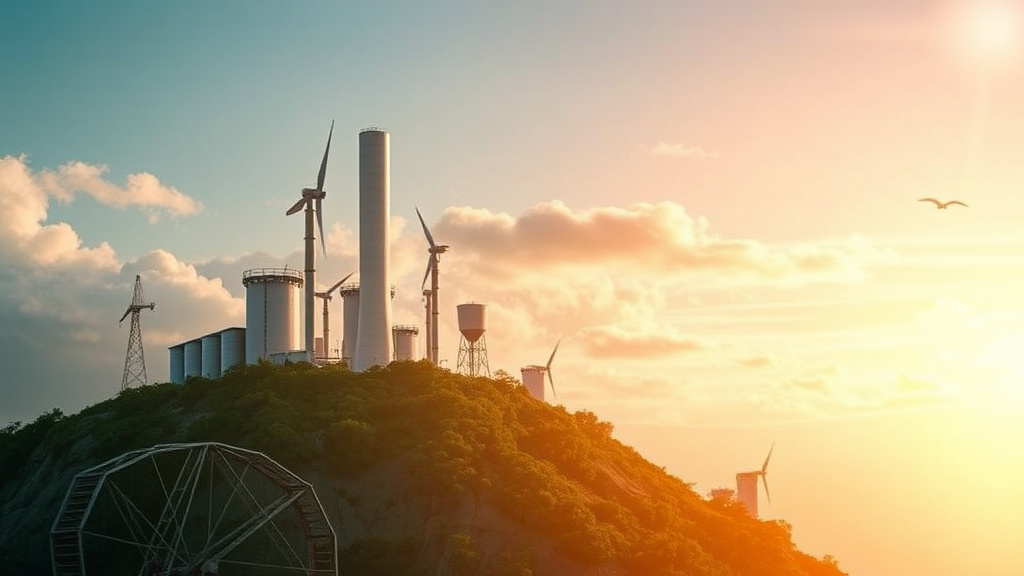
As climate change accelerates globally, nations are joining together in unprecedented international accords to tackle rising carbon emissions. This groundbreaking accord represents humanity’s most ambitious effort yet to establish common frameworks for environmental stewardship and long-term sustainability. Discover how this landmark agreement works to unite nations, the specific emission reduction targets being put into effect, and what this means for our planet’s future. Explore the obstacles countries encounter in fulfilling these obligations and the transformative impact this collaboration could have on our world.
Global Framework and Commitments
The worldwide climate pact establishes a comprehensive international framework designed to bring together nations in their fight against carbon emissions. This agreement creates enforceable requirements that mandate participating countries to put in place specific reduction goals within defined timelines. The framework stresses transparency and accountability, guaranteeing that each nation communicates its progress toward emission goals consistently. By setting defined criteria and expectations, the agreement provides a structured pathway for unified international efforts on climate change mitigation.
At the heart of this framework are specific emission reduction targets that differ across country based on their stage of development and current carbon output. Nations commit to shifting to renewable energy sources, improving energy efficiency, and preserving carbon-absorbing ecosystems like forests. The agreement incorporates mechanisms for financial support, enabling developed nations to help emerging economies in deploying sustainable technologies. These commitments constitute a historic shift toward shared accountability, where every participating nation has a crucial part in reaching our common climate goals and ensuring a environmentally sound tomorrow.
Key Emission Decrease Goals
The global climate accord defines aggressive carbon reduction targets intended to limit global temperature rise to 1.5 degrees Celsius beyond pre-industrial baselines. Developed nations agree to lowering their emissions by 45 percent by 2030, while emerging economies target proportional reductions based on their economic means. These goals constitute a substantial increase from earlier agreements, reflecting the critical need for tackling environmental crisis. The agreement contains detailed targets for various industrial sectors, covering energy production, transportation, and manufacturing, guaranteeing broad scope across all key emission-producing sectors.
Each country taking part must present detailed action plans detailing how they will meet their assigned reduction targets. These plans include investments in renewable energy infrastructure, gains in energy efficiency, and moves away from fossil fuels. International tracking frameworks will assess progress on an annual basis, guaranteeing openness and responsibility among all signatories. Countries that exceed their targets receive recognition and potential financial benefits, while those falling short face diplomatic pressure and possible trade consequences, creating strong motivation for compliance and ambitious implementation strategies.
The arrangement understands that different nations face distinct obstacles in achieving these targets due to different economic systems and resource distribution. Affluent economies deliver financial and technological support to developing countries, supporting their shift to sustainable energy infrastructure. This joint effort confirms that lower emission levels are achieved globally while promoting fair growth and avoiding financial strain in at-risk countries.
Deployment Approaches and Assistance
Successful implementation of the international climate accord requires coordinated action throughout multiple sectors and regions. Nations are creating formal structures that specify specific timelines, measurable targets, and oversight procedures to ensure compliance. Industrialized nations are allocating significant funding to assist emerging economies in their shift to renewable energy sources. Technology transfer initiatives enable less industrialized countries to obtain clean energy innovations without bearing prohibitive costs. Regular monitoring systems measure advancement, with third-party assessments confirming greenhouse gas reduction statements and ensuring transparency across all stages.
International bodies have developed comprehensive support structures to assist nations in meeting their climate goals. Funding organizations provide capital and concessional credit for infrastructure improvements and clean energy initiatives. Technical assistance programs offer guidance in greenhouse gas tracking, strategic planning, and responsible management. Training efforts train experts in emerging green technologies and environmental management. Collaborative research networks facilitate expertise transfer among scientists and policymakers internationally. These diverse resource networks recognize that climate action requires not only policy determination but also tangible support and technical knowledge to reshape economies in an environmentally sound manner.
Future Outlook and Worldwide Influence
The implementation of this global climate agreement represents a pivotal turning point in humanity’s approach to climate protection. As nations pledge ambitious carbon reduction targets, the cumulative effect of these collaborative initiatives promises to significantly slow atmospheric warming. The agreement creates a framework for continuous improvement, with regular assessments ensuring that emission reduction strategies adapt with advancing climate science and technical breakthroughs. This commitment shows despite political differences, the international community acknowledges climate change as an fundamental danger requiring coordinated response and long-term commitment.
Looking ahead, the agreement’s success will depend on consistent enforcement, transparent reporting, and authentic support from all member countries. The move to clean energy , eco-friendly farming, and environmental innovation will restructure global economies while creating millions of new jobs. Beyond ecological advantages, this joint effort strengthens international cooperation and establishes a model for confronting other global issues. The agreement symbolizes hope that coordinated global effort can undo years of environmental damage, securing a more sustainable world for coming generations and demonstrating our ability for fundamental change.
