
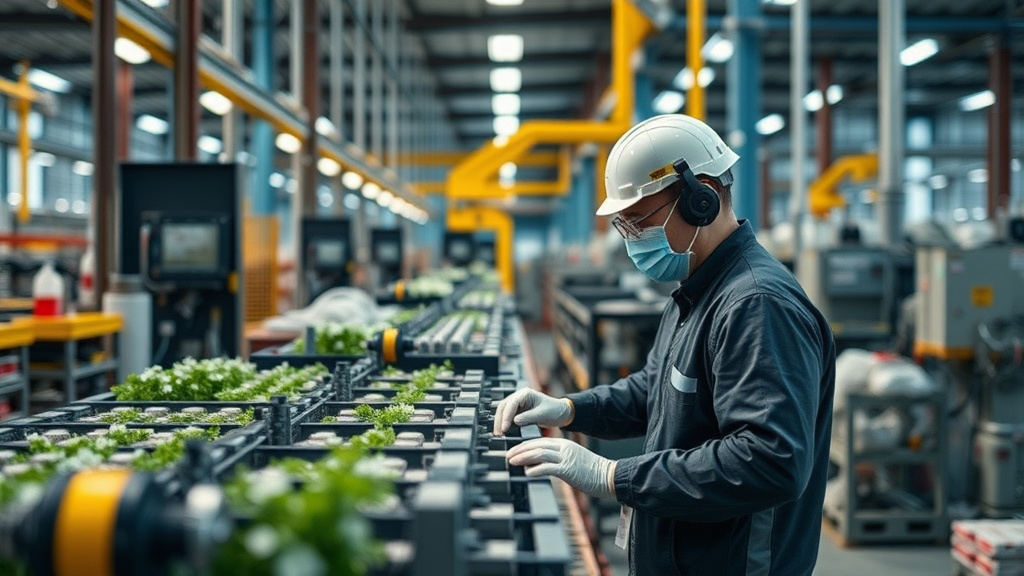
As environmental concerns grow stronger and customer interest for eco-friendly products accelerates, international manufacturers are fundamentally transforming their production strategies. From lowering greenhouse gas output to cutting waste generation, industry leaders are adopting sustainable technologies and practices that deliver both ecological advantages and sustained financial returns. This article examines how leading industrial companies are transforming their processes, the obstacles they encounter in this transition, and the innovative solutions propelling the movement toward a more sustainable manufacturing landscape.
The Growth of Sustainable Industrial Practices
The manufacturing sector is undergoing a significant change as companies acknowledge the critical importance of environmental responsibility in their business activities. Motivated by strict environmental standards, financial stakeholder pressure, and evolving market preferences, manufacturers across the globe are reimagining their production processes. This change constitutes beyond mere compliance—it demonstrates a strategic recognition that environmentally responsible approaches can enhance operational efficiency, decrease operational costs, and enhance brand standing. Top manufacturers are allocating significant resources in green technologies, renewable energy sources, and circular economy principles that reduce environmental footprint while preserving market competitiveness in an more sustainability-focused worldwide marketplace.
Environmental responsibility in production includes several key areas, from responsibly sourcing raw materials to reducing energy use and managing waste streams effectively. Organizations are adopting cutting-edge technology such as artificial intelligence, Internet of Things sensors, and automated systems to track and lower their environmental footprint. Beyond technological innovation, this movement demands significant shifts in corporate culture, supply chain operations, and stakeholder engagement. As manufacturing leaders show that sustainability and profitability are not mutually exclusive, their achievements is driving widespread adoption across the industry of green practices, creating a ripple effect that is set to transform the manufacturing sector for years ahead.
Main Reasons Behind the Shift
The movement toward environmentally responsible production is driven by multiple interconnected factors reshaping the international manufacturing environment. Regulatory frameworks, consumer expectations, and competitive pressures are driving manufacturers to prioritize environmental responsibility. Additionally, advances in technology in alternative energy and waste reduction have rendered sustainability cost-effective, helping organizations decrease production costs while fulfilling stakeholder requirements for environmentally friendly operations.
Regulatory Requirements and Compliance
Governments worldwide are putting in place increasingly stringent environmental regulations that mandate sustainable manufacturing practices. The European Union’s Circular Economy Action Plan, pricing mechanisms for carbon, and trading systems for emissions establish legal requirements for manufacturers to embrace cleaner production methods. Non-compliance risks significant fines, supply chain disruptions, and reputational damage, compelling organizations to invest in sustainable infrastructure and processes to keep market access and operational legitimacy.
International treaties and national ecological standards set clear sustainability benchmarks that producers must comply with. These regulatory frameworks spur development of emissions reduction, disposal practices, and resource conservation. Companies that actively adapt with evolving standards obtain competitive advantages, securing public sector deals and collaborations with environmentally conscious partners while avoiding expensive penalties and business limitations.
Consumer Demand and Market Pressure
Modern shoppers tend to favor eco-friendly products, driving purchasing decisions and brand loyalty. Market research shows that eco-conscious approaches improve brand reputation and customer engagement, particularly among younger demographics. Manufacturers addressing this demand tap into growing market segments, distinguish themselves against competitors, and build stronger customer relationships through transparency about environmental commitments and sustainable product offerings.
Investors and financial institutions are favoring sustainable companies, directing capital toward companies showing environmental stewardship. This investment pressure encourages producers to implement environmentally conscious practices, as ability to secure capital becomes tied to sustainability benchmarks. Organizations adopting sustainable practices appeal to socially conscious investors, improve market valuations, and obtain favorable financing terms while establishing a competitive edge in an growing environmentally conscious global economy.
Implementation Strategies and Advantages
Manufacturing companies are implementing broad-based strategies to incorporate sustainability into their primary business activities. Key approaches encompass allocating resources toward renewable energy sources, modernizing with high-efficiency equipment, and establishing circular economy models that reduce waste generation. Many organizations are also deploying lean manufacturing techniques and undertaking routine sustainability assessments to identify improvement opportunities. These strategies necessitate considerable capital expenditure and employee development, yet companies recognize that proactive measures today avert substantial regulatory penalties tomorrow while strengthening their competitive standing.
The advantages of sustainable production practices reach much further than ecological safeguarding. Companies report considerable cost reductions through reduced energy consumption, reduced waste management costs, and enhanced process efficiency. Enhanced brand reputation appeals to eco-aware customers and financial backers, while better workplace morale and retention result from employment at mission-focused companies. Additionally, sustainability measures often lead to new product innovations and efficiency enhancement, generating emerging business opportunities and revenue streams that offset startup expenses, ultimately generating significant financial returns.
